
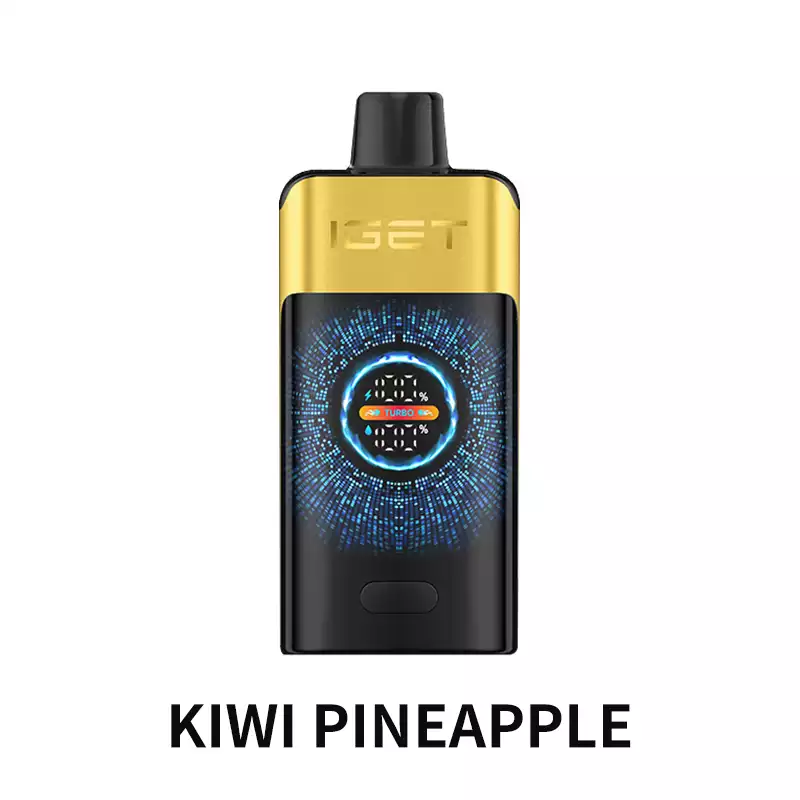
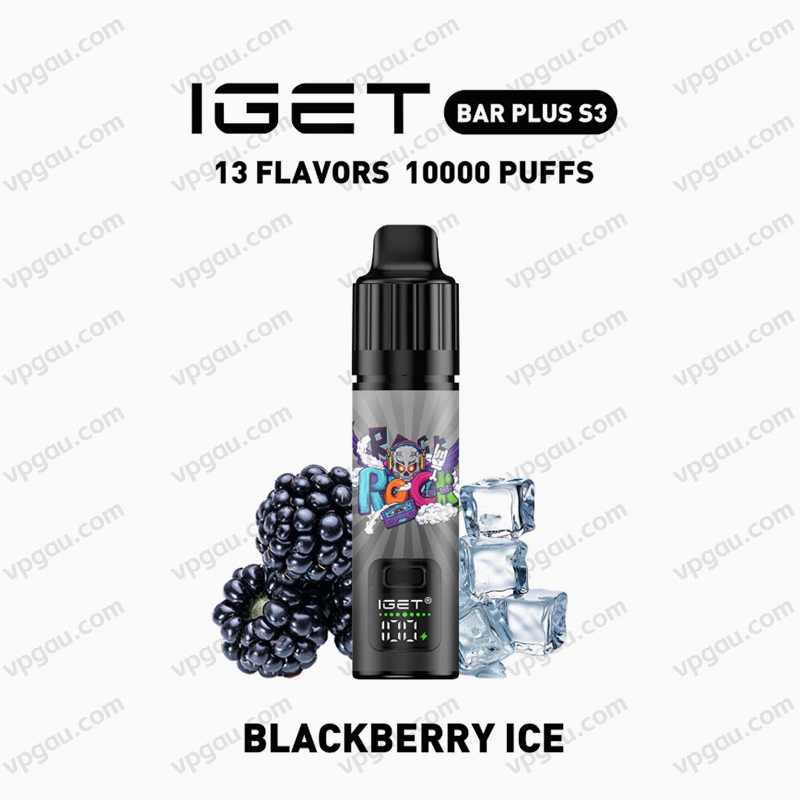



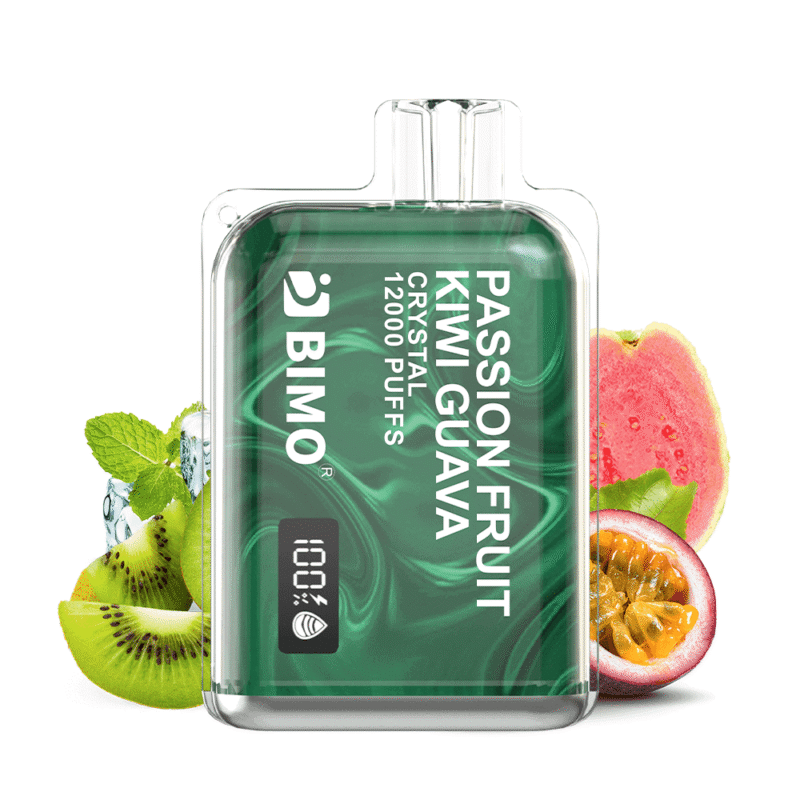
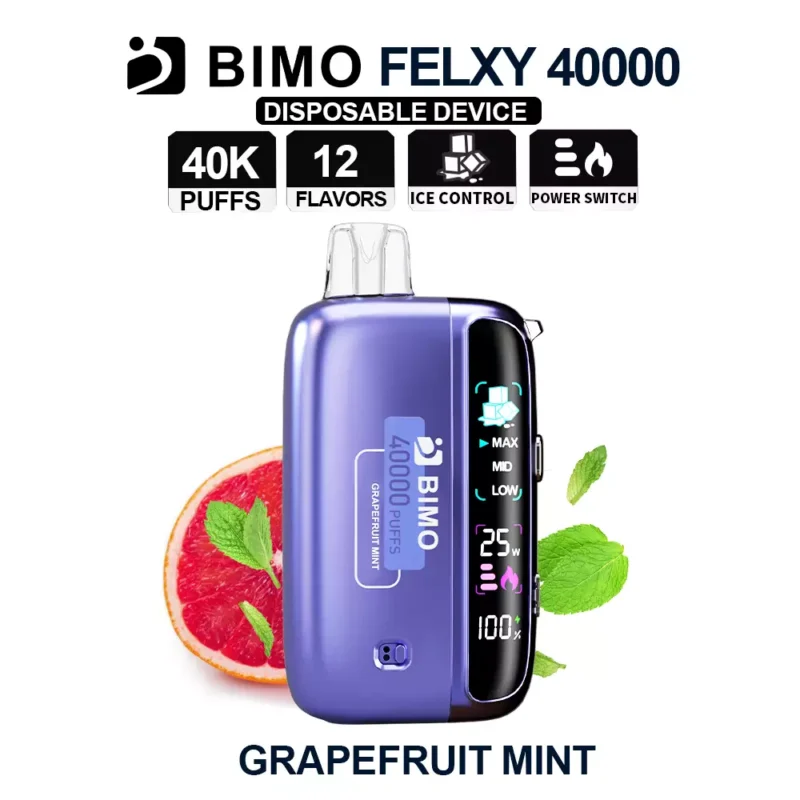



A technical analysis of lithium-ion battery integration in modern disposable hardware, charging methodologies, and operational best practices for the Australian market.
Availability: Secure the latest compliant hardware at VPGAU, Australia’s premier platform for wholesale and retail disposable vapes.
The landscape of disposable vapes has evolved significantly over the past five years. Initially designed as finite-lifespan units, modern manufacturing has shifted toward integrating rechargeable architecture to accommodate larger capacity reservoirs. This shift reduces electronic waste and improves the cost-per-use ratio for consumers.
However, confusion remains regarding which devices are engineered for recharging and which utilize primary (non-rechargeable) cells. Attempting to recharge a device not designed for it presents significant thermal and chemical risks. This guide, curated by industry experts, provides a deep dive into the electromechanical specifications of disposable vapes, ensuring you maximize device utility safely.
1. Understanding the Engineering of Disposable Vapes
To understand the rechargeability of a disposable vape, one must understand the internal power supply architecture. These devices generally utilize one of two battery chemistries:
Type A: Lithium Manganese Dioxide (Li-MnO2)
Common in: Older, low-capacity models (under 1000 puffs).
Characteristics: High energy density for a single discharge cycle. These are “primary cells” and possess stable chemistry only during discharge.
Rechargeability: Strictly Non-Rechargeable. Applying current to these cells causes rapid gas generation, leading to seal failure or thermal runaway.
Type B: Lithium-Ion Polymer (Li-Po)
Common in: Modern high-capacity disposable vapes (2000+ puffs).
Characteristics: Designed for multiple charge/discharge cycles (typically 300-500 cycles, though the device capacity ends sooner).
Rechargeability: Rechargeable. These devices include a Battery Management System (BMS) to regulate voltage input.
At VPGAU, we prioritize transparency in our technical specifications. Our inventory of disposable vapes is clearly categorized based on power architecture, ensuring you never face ambiguity regarding device maintenance.
2. Identifying Rechargeable Architecture
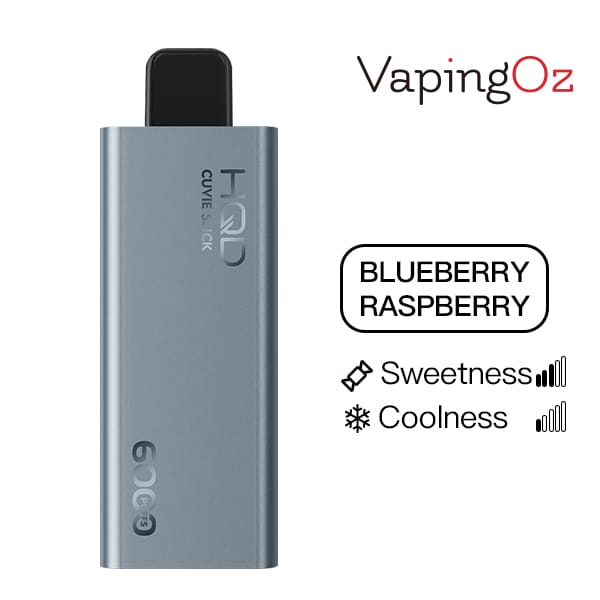
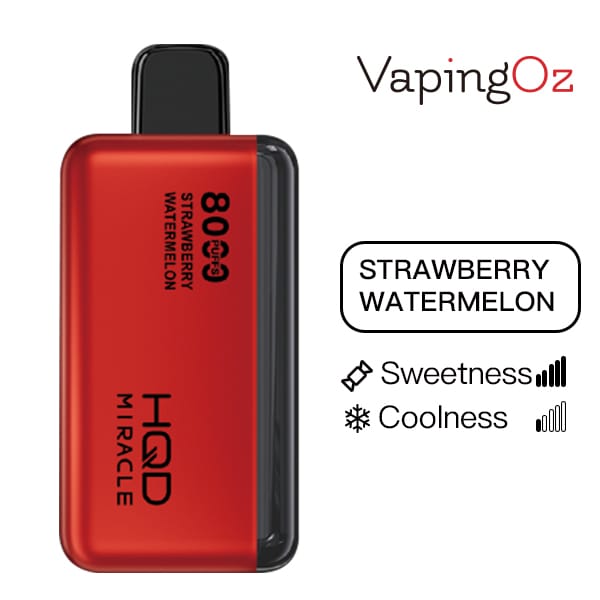
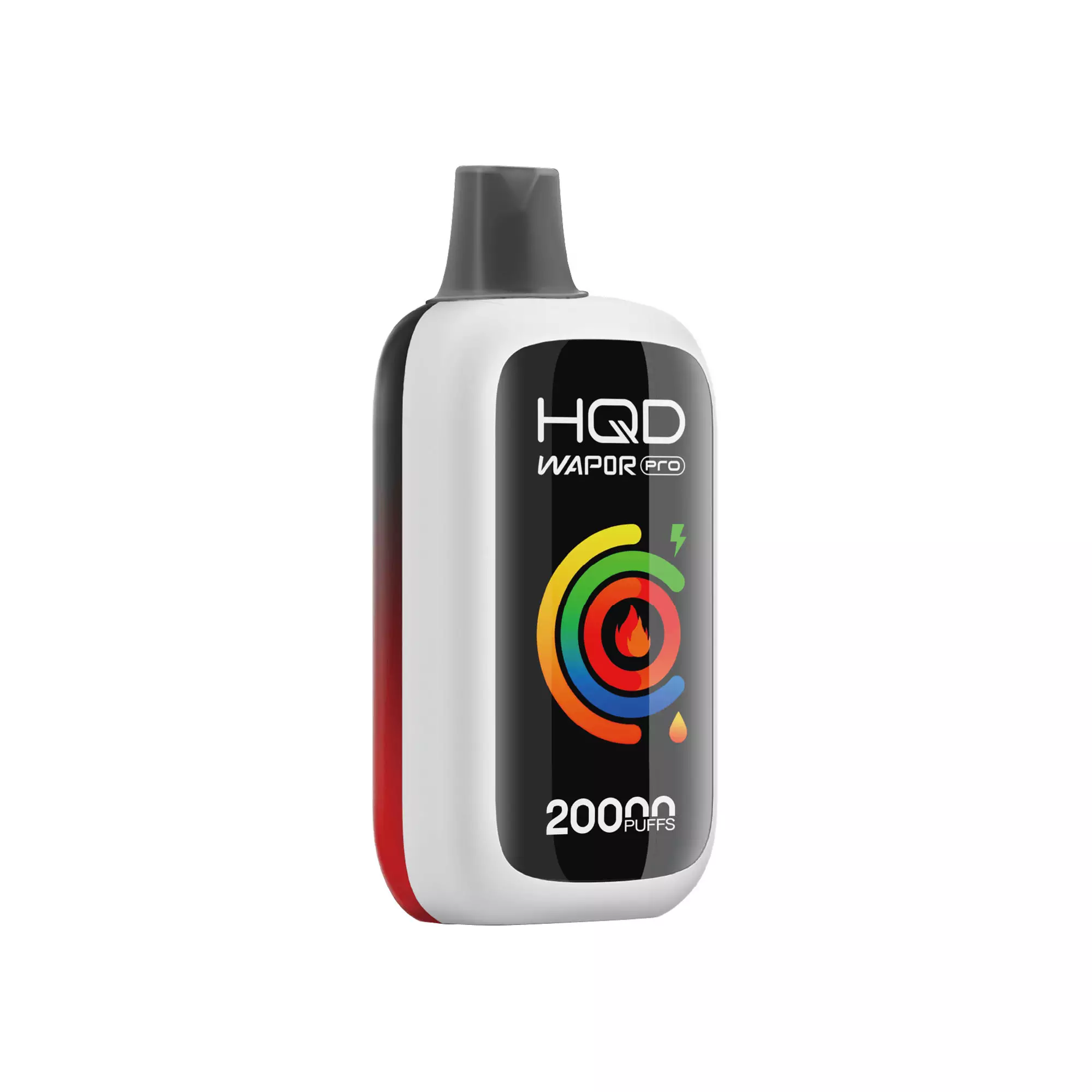
Visual inspection is the primary method for determining if a device supports recharging. Manufacturers of high-end disposable vapes like IGET and HQD adhere to specific design languages to indicate this feature.
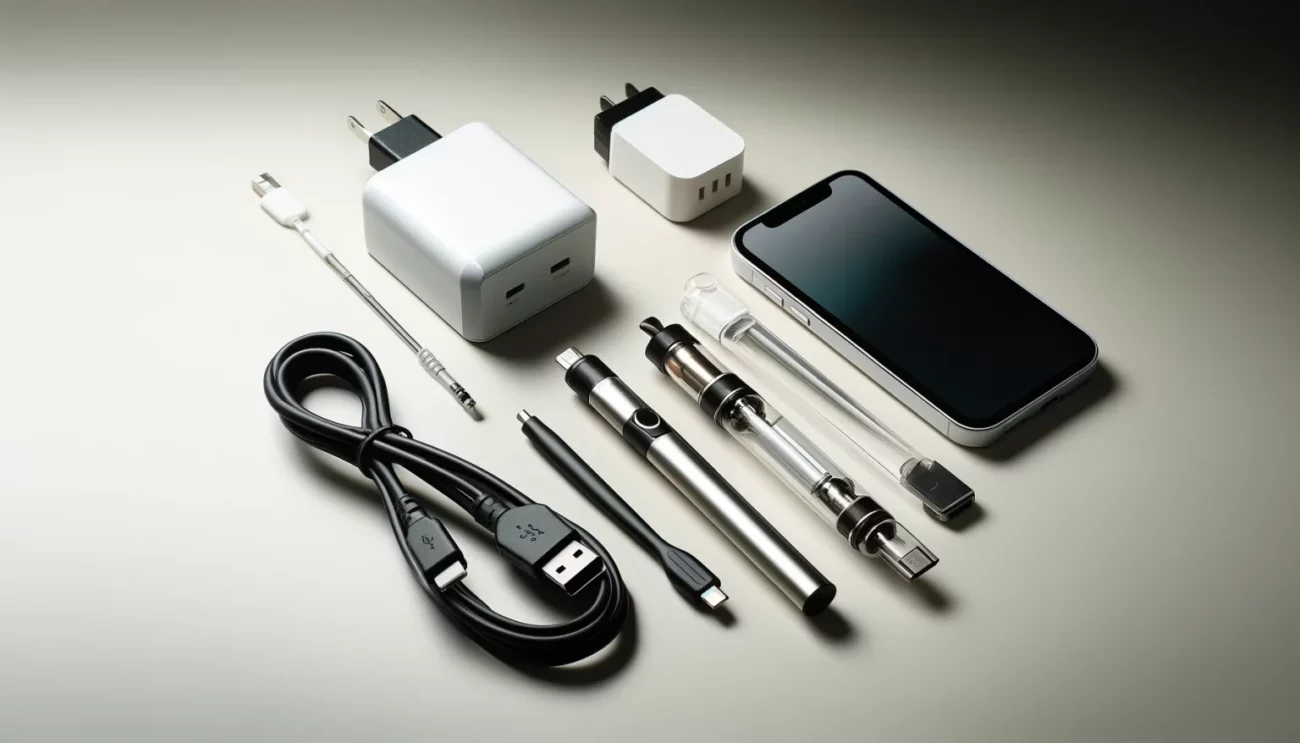
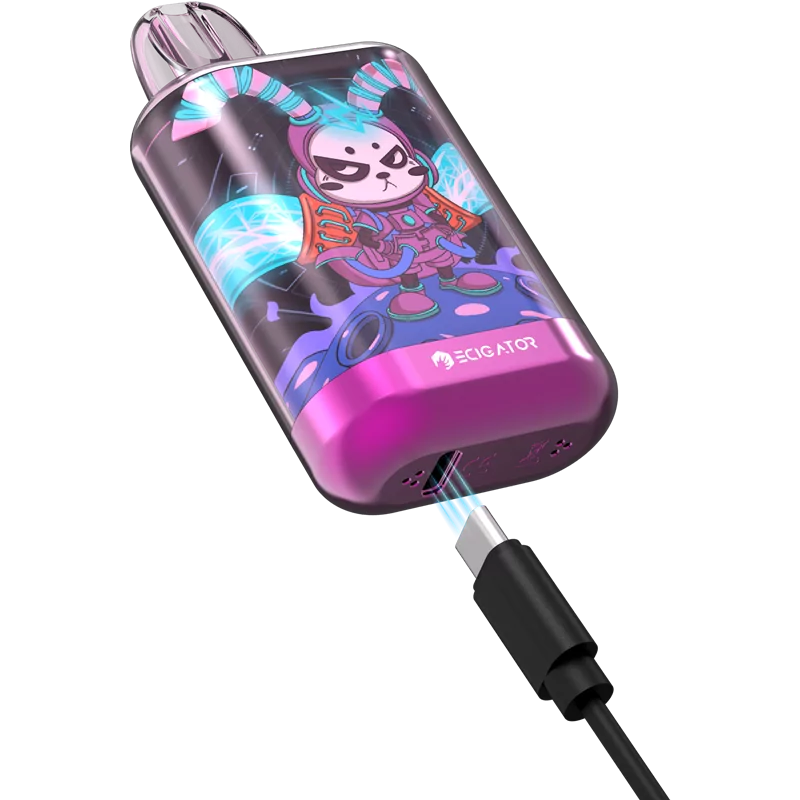
- Interface Standard: Look for a USB-C or Micro-USB port located on the base or side of the chassis. USB-C is becoming the industry standard in 2024 due to its reversibility and higher power delivery negotiation capabilities.
- LED Indicators: Rechargeable units feature multi-state LED logic (e.g., solid light when charging, blinking when low, off when charged).
- Capacity Ratio: If the device advertises a high capacity (e.g., 10ml+) but has a compact form factor, it almost certainly relies on a smaller, rechargeable battery (typically 500mAh to 650mAh) rather than a massive single-use battery.
3. The Dangers of Forced Recharging (DIY Methods)
A critical safety warning for all users: Never attempt to dismantle a disposable vape to recharge it manually.
Internet tutorials often suggest stripping USB cables to touch wires directly to battery terminals. This practice is extremely hazardous for the following engineering reasons:
Risk Analysis: Direct Wiring
- Bypass of Protection Circuits: Legitimate charging ports route power through an Integrated Circuit (IC) that limits voltage (usually to 4.2V) and current. Direct wiring bypasses this, causing immediate overcharging.
- Thermal Runaway: Lithium batteries are sensitive to heat. Unregulated charging can raise the internal temperature of the cell beyond its critical threshold, leading to venting (explosion) or fire.
- Short Circuits: Exposed wires easily cross, creating a dead short across a battery capable of high-amperage discharge.
If a device does not have an external port, it is a single-cycle device. Once the battery is depleted, the device has reached the end of its lifecycle. For a sustainable alternative, browse the rechargeable collection at VPGAU.
4. Proper Charging Protocols for Disposable Vapes
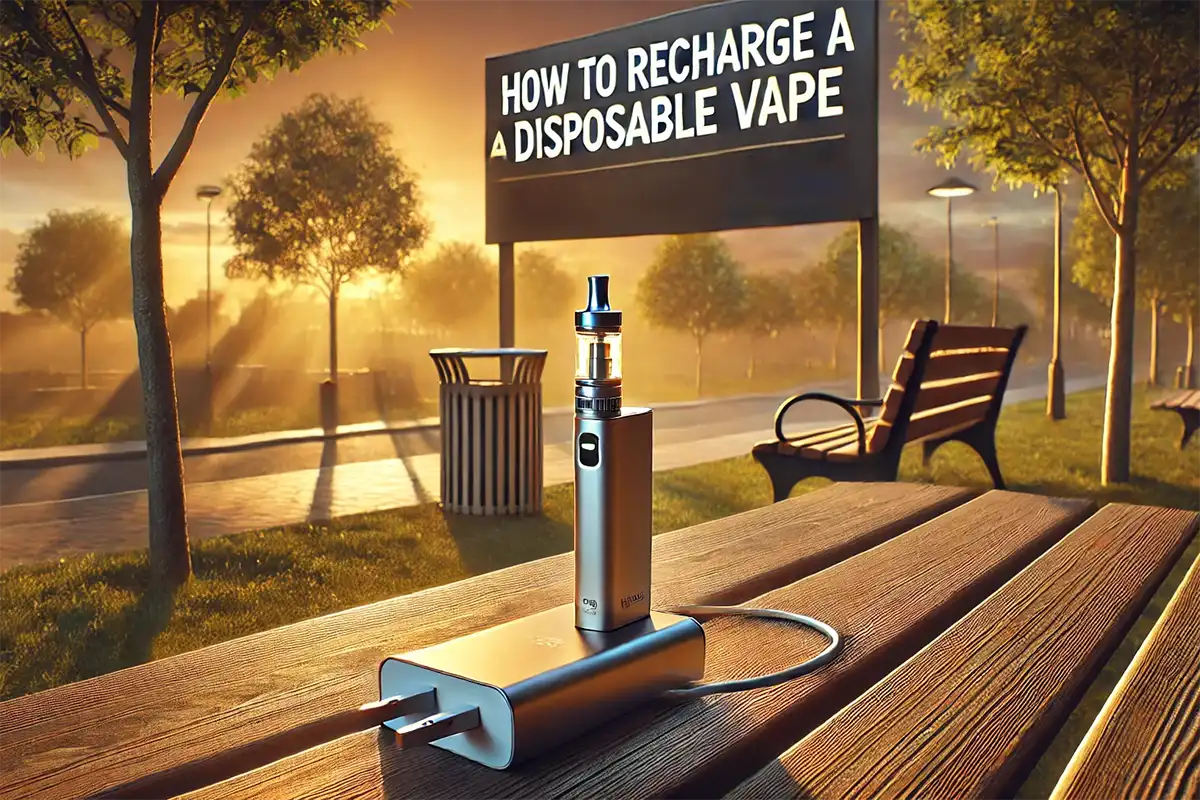
To extend the lifespan of your rechargeable disposable vape and ensure the remaining capacity option is utilized efficiently, follow these industry-standard protocols.
Step 1: Interface Inspection
Ensure the charging port is free of lint, dust, or debris. Debris in the port increases electrical resistance, which generates excess heat during the charging cycle. Use non-conductive compressed air if cleaning is necessary.
Step 2: Source Selection
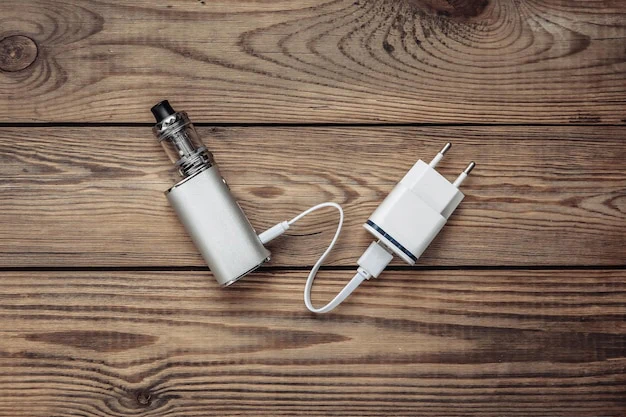
This is the most common point of failure. Do not use high-wattage “Fast Chargers” (like those for modern laptops or premium smartphones) unless the vape specifically supports Power Delivery (PD). Most disposable vapes are designed for low-amperage input.
| Charging Source | Safety Rating | Technical Reasoning |
|---|---|---|
| PC / Laptop USB Port | Optimal | Delivers a steady 0.5A @ 5V, which is gentle on small lithium cells. |
| Smart TV USB Port | Good | Typically regulated to low amperage. |
| Wall Block (1 Amp) | Acceptable | Standard iPhone (older) bricks are usually fine. |
| Fast Charger (20W+) | Avoid | Can overwhelm the cheap charging IC, causing device failure or overheating. |
Step 3: Duration Monitoring
Rechargeable disposable vapes usually require 30 to 60 minutes to reach full capacity. Unlike smartphones, they may not have sophisticated “trickle charge” logic. Once the indicator light signals a full charge, disconnect the device immediately to prevent voltage stress on the battery chemistry.
5. Economic and Environmental Analysis
The shift toward rechargeable disposable vapes is driven by both economic efficiency and environmental concern. At VapingAU, we support this transition as it aligns with broader sustainability goals in the electronics sector.
Cost Efficiency: A non-rechargeable device might offer 800 puffs. A rechargeable device, by utilizing the battery multiple times, can process enough capacity for 5,000+ puffs. While the upfront cost is marginally higher, the cost-per-puff is significantly lower.
Waste Reduction: Lithium is a finite resource. By using one battery to consume 10ml of capacity rather than five separate batteries for the same amount, we significantly reduce the volume of lithium-ion cells entering the waste stream.
6. Troubleshooting Common Issues
Even with high-quality devices from VPGAU, electronic issues can occur. Here is a diagnostic guide for common scenarios.
Issue: Device blinks when plugged in but doesn’t charge.
Diagnosis: This often indicates a cable handshake failure. The charger may be too powerful, or the cable may be “data only” rather than “power + data.”
Solution: Swap to a simpler, lower-power USB-A to USB-C cable and a different power brick.
Issue: Burnt taste immediately after charging.
Diagnosis: Charging raises the temperature of the battery, which is close to the capacity reservoir. This can thin the capacity momentarily or cause the coil to run hotter if the voltage isn’t regulated immediately after unplugging.
Solution: Let the device sit for 5 minutes after charging to cool down before use.
Issue: Device gets very hot while charging.
Diagnosis: Critical battery warning.
Solution: Unplug immediately. Move the device to a non-flammable surface (like a concrete floor or tile). Do not use the device again; the internal resistance has likely failed.
7. Product Comparison: Finding the Right Device
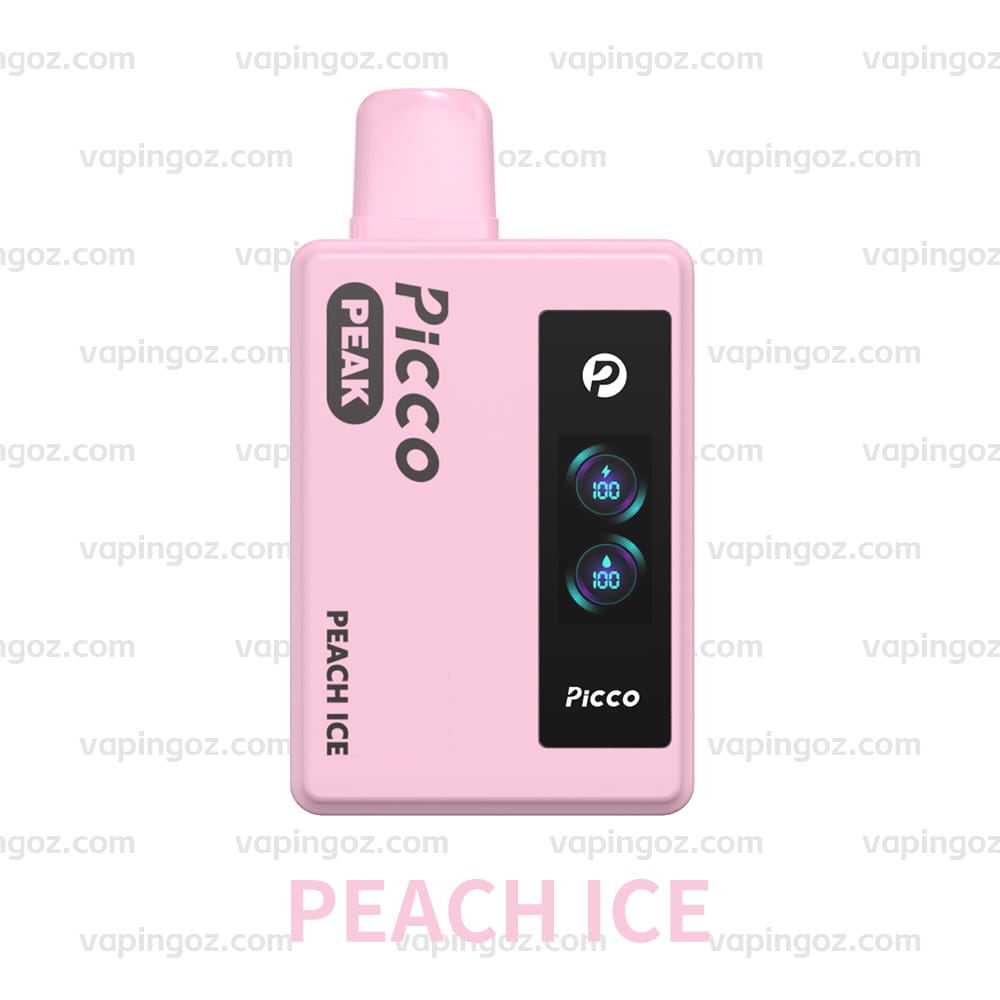
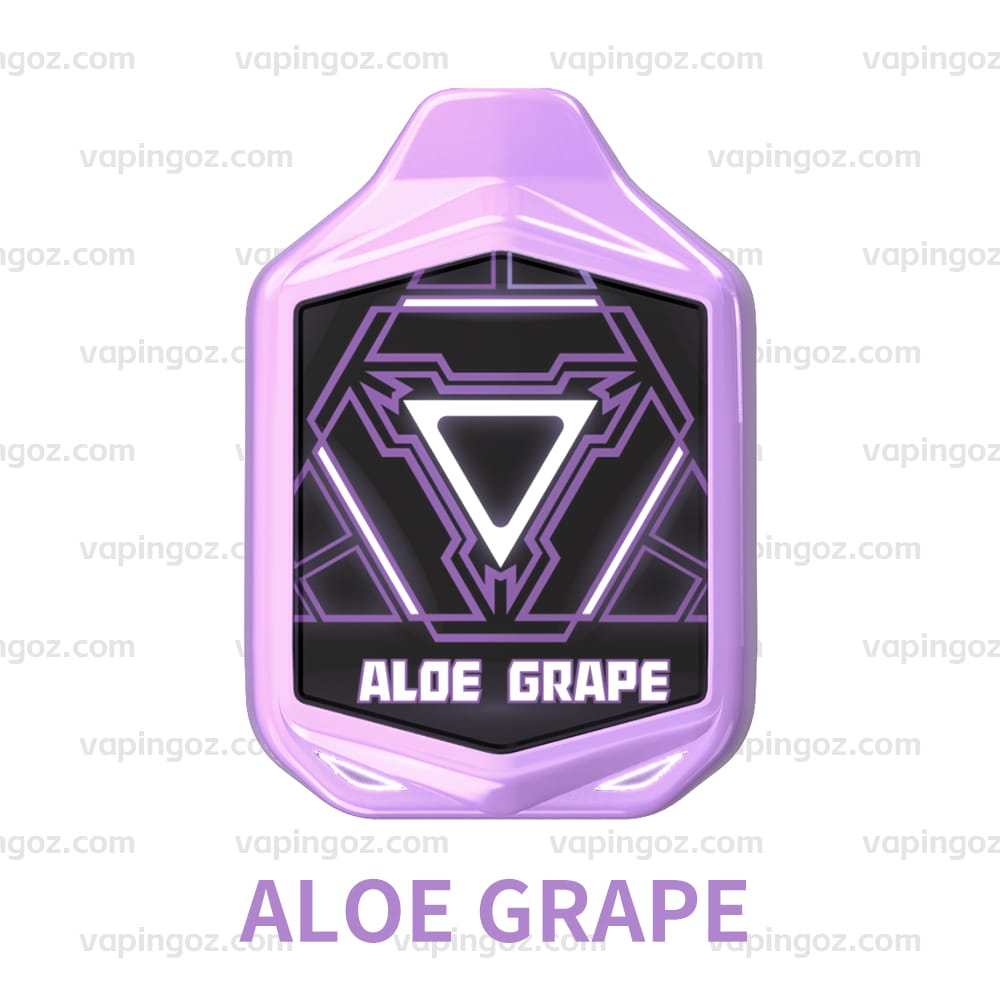
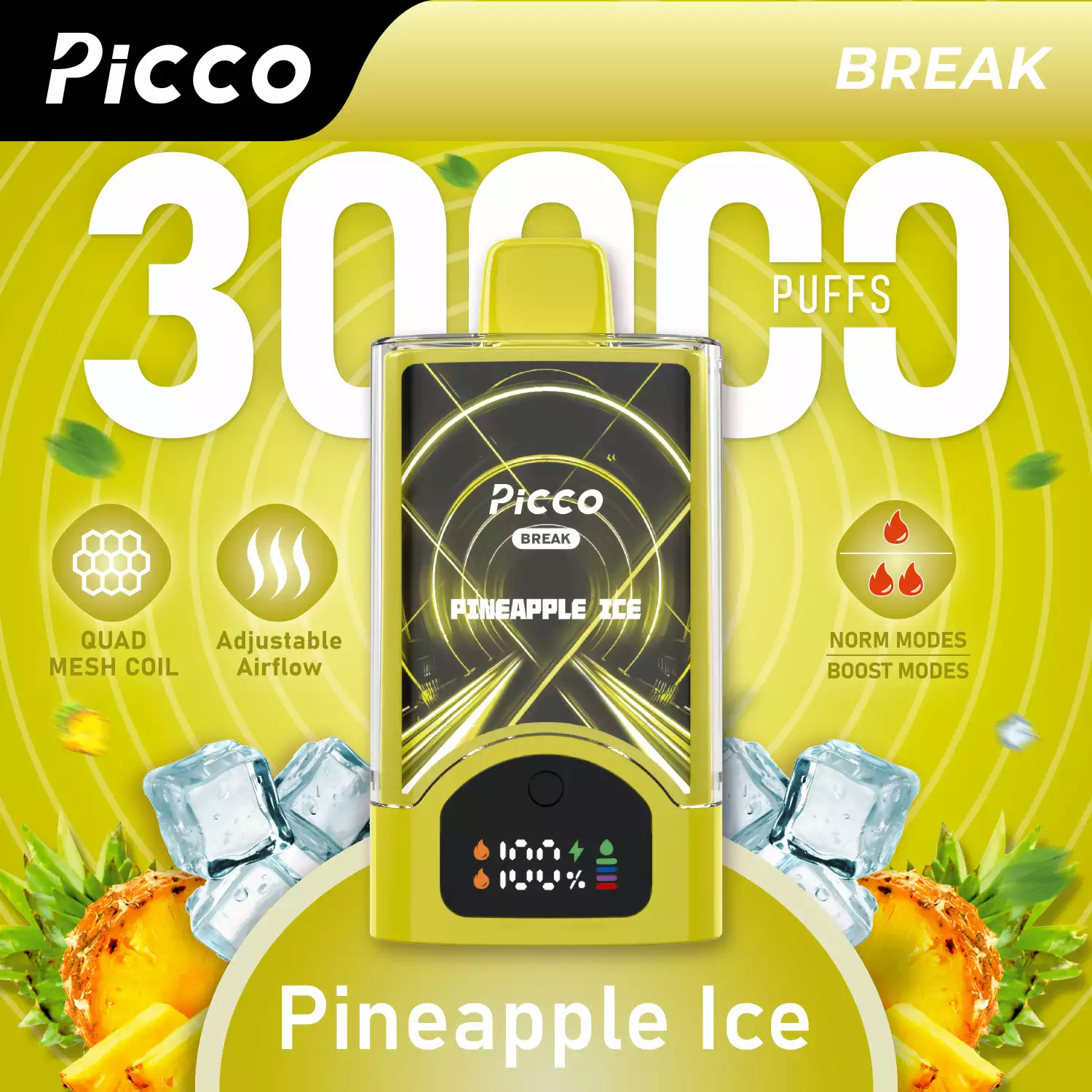
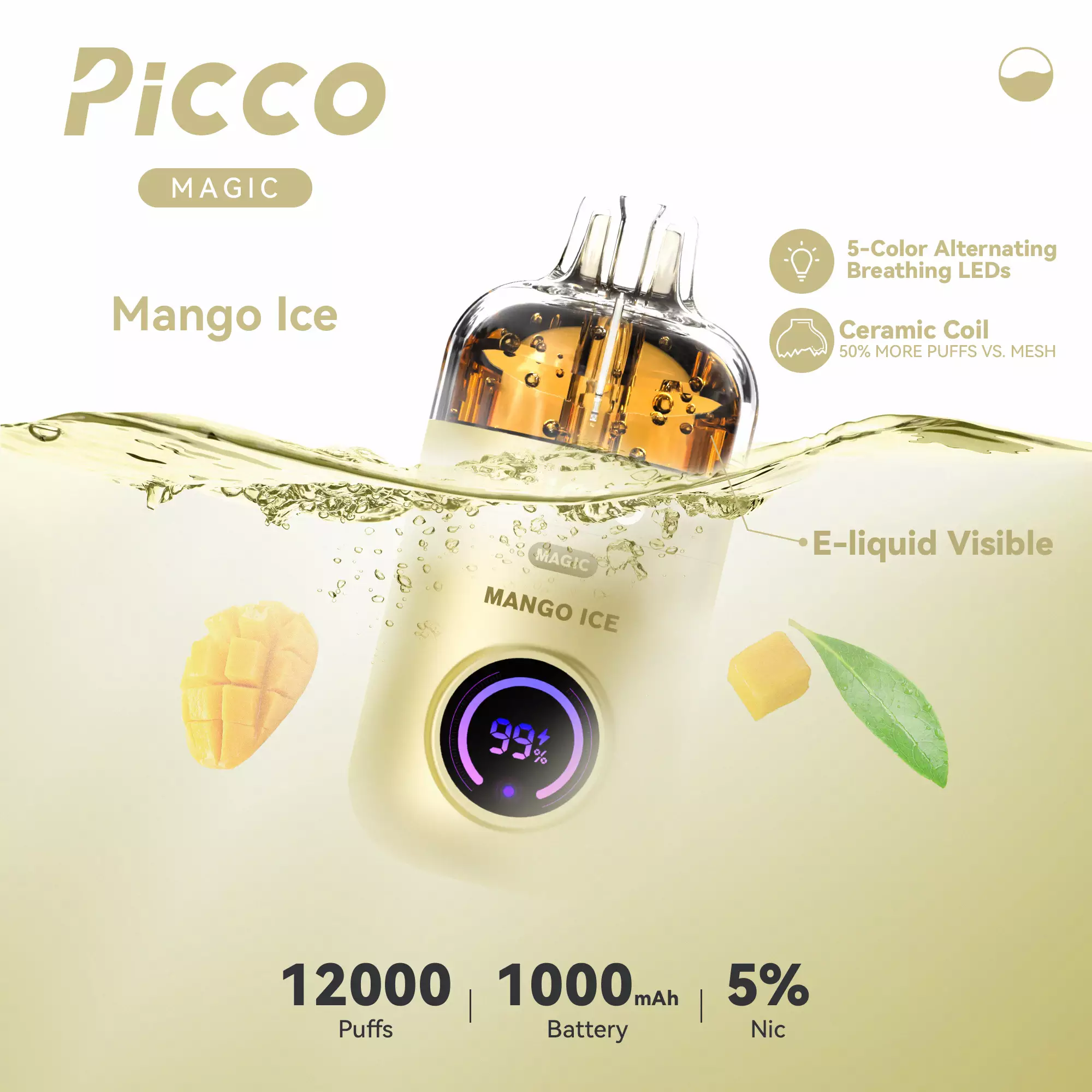
Navigating the market can be complex. Below is a comparison of top-tier disposable vapes available at VPGAU, categorized by their power systems and capacity utility.
8. Frequently Asked Questions (Technical)
A: While the plug fits, it is generally not recommended. MacBook chargers are capable of very high wattage. Although the device should negotiate down, cheaper charging chips in disposables sometimes fail this negotiation, leading to potential damage. It is safer to use a low-wattage wall adapter.
A: Not necessarily. You may have vaped it while the internal temperature was still high from charging, or the capacity reservoir is actually empty. If the burnt taste persists after cooling down, the device capacity is depleted and it should be replaced.
A: If the device produces vapor but the LED blinks and cuts off, the battery is dead. If the device fires (LED solid) but produces a burnt taste or no vapor, the capacity is empty. Do not recharge a device that is out of capacity; this is a fire hazard.
A: No. Unlike phones, disposable vapes rarely have sophisticated overcharge protection cutoff circuits of high grade. Leaving them plugged in for hours after reaching 100% increases the risk of thermal events. Always unplug once charged.
Upgrade Your Experience Today
Stop struggling with outdated devices. Experience the convenience and reliability of modern, rechargeable disposable vapes.
VPGAU is the largest online platform for disposable vapes in Australia. We bring you the best selection of top-tier vapes delivered straight to your door anywhere in Australia. We also offer wholesale solutions for retailers.
About Us
At VPGAU, we are more than just an online store; we are your dedicated partners in the vaping journey. Rooted in the Australian market, our mission is simple: to provide Aussie vapers with a reliable, safe, and seamless platform to access the world’s best vaping products. From those making the switch to seasoned enthusiasts, we are here to support every step of your experience.
Authenticity Guaranteed
In a market where consistency matters, we refuse to cut corners. We understand that safety and performance are non-negotiable. That’s why VPGAU strictly partners with reputable manufacturers to offer a curated selection of genuine electronic cigarettes, popular disposable vapes (including IGET and other top-tier brands), and essential accessories. Every product on our shelf is verified for authenticity to ensure robust build quality and the exceptional option profiles you deserve.
Premium Value, Honest Pricing
We believe that high-quality vaping shouldn’t come with a premium price tag. VPGAU is committed to “Affordability Without Compromise.” By optimizing our supply chain, we bring you competitive pricing on top-rated devices. We ensure you get the best value for your money, balancing cost-effectiveness with the highest safety standards.
Fast, Local Service
We know that when you order, you want it fast. With a customer-first approach tailored for Australia, we prioritize rapid dispatch and reliable shipping across the country. Our support team is always ready to assist, ensuring that your experience—from browsing to unboxing—is smooth and hassle-free.
VPGAU — Quality Vapes, Delivered Down Under.
About the Author
John Colin is a dedicated expert in Australian operations with deep expertise in supply chain management and regional compliance. He provides actionable strategic guidance to retailers across Oceania, helping them optimize inventory and navigate the complexities of local import laws.
Committed to transparency and professionalism, John ensures that all market analysis and operational advice are based on verified data and the latest compliance guidelines. His insights into the engineering of disposable vapes help consumers make safer, more informed choices.